2024 December
The Kidneys
When it comes to naming things in the body, anything kidney is called ‘renal’.
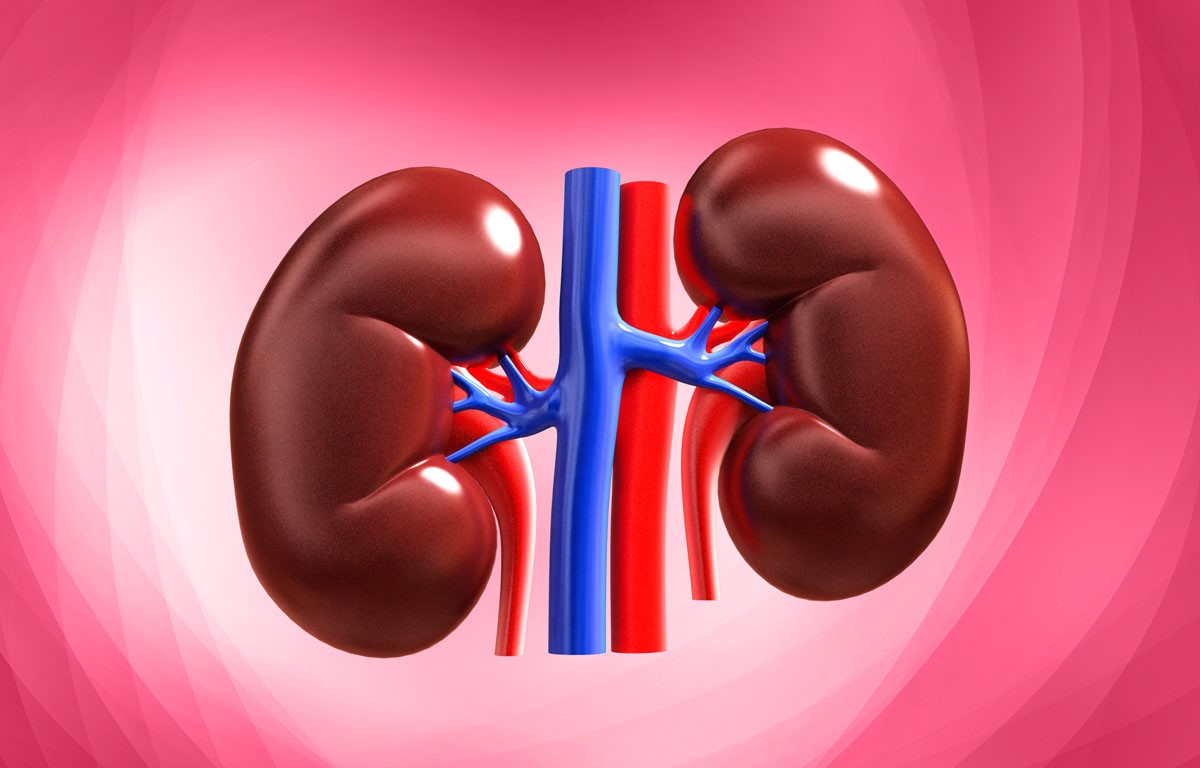
As you might notice from the picture above, the left kidney (really the one on the right side of the picture) is a little bit higher than the right one. This is the way it should be. The kidneys can lose spring though and the left kidney can get lodged underneath the ribcage. There is really no way that you would know this because your body compensates for it but over time this could decrease function of the left kidney.
A common ‘renal’ disorder is called PTOSIS. Ptosis is when the kidneys – either one or both – drop down lower than they should into the pelvic girdle.
Symptoms include back pain, uncomfortable deep breathing, and sensitive abdominal muscles. As ptosis progresses symptoms can include lower abdominal pain that radiates into the groin, hip, or outside thigh area. The third degree of ptosis symptoms include hypersensitivity of the thigh and knee pain.
Addressing this issue with gentle visceral manipulation techniques can be very helpful.
DID YOU KNOW???
– About 12% of Americans develop kidney stones
-25 million American adults suffer with daily incontinence
-Two of the worst things for your kidneys is sugar and salt.
(A can of Coke contains 38 grams of sugar!!!)
It may come as a surprise but your kidneys are a deep seated energy reserve in your body. That means that if you are always feeling ‘beat’ than strengthening the kidneys might be just the thing you need. Again, addressing the kidneys with gently visceral manipulation techniques can be very helpful!
Things that can weigh the kidneys down are: fear, strong insecurity, and deep anger. The kidneys have also been linked to generosity, the need to lead, and pessimism.
THE KIDNEYS…
-are the only organ that produce active vitamin D
-are responsible for assimilating vitamins and nutrients
-filter all of your blood every single hours
-help regulate your blood pressure
-manage the production of red blood cells
-help to regulate all body fluids
-can fracture
Remember, it is not the one large assault that does us in. It is the micromovements that happen all day, every day.